
procrastinating Service
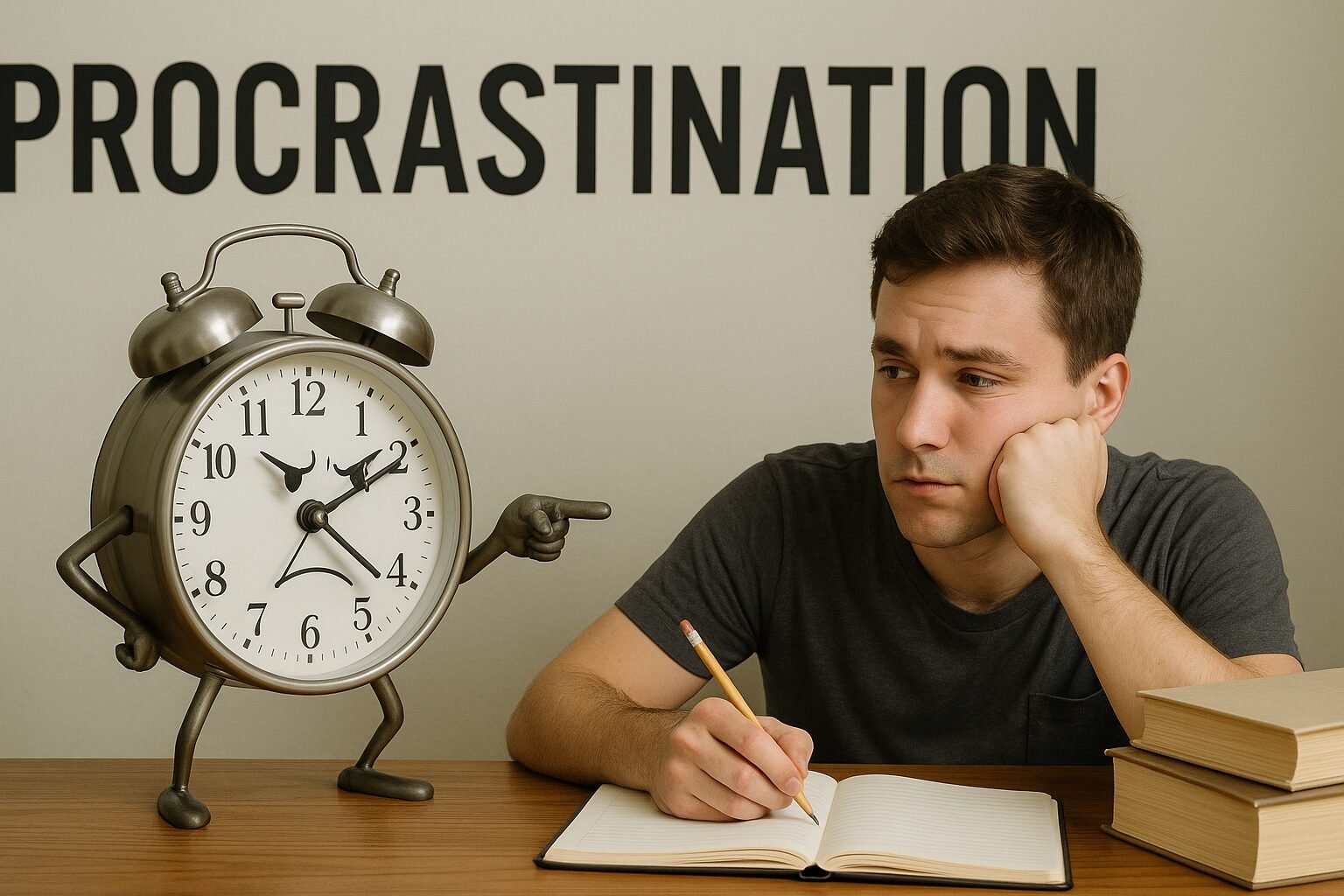
Hypnosis is a reliable way of removing procrastinating from your life
procrastinating why Are you putting things off
procrastinating is a common issue and everyone engages in some degree of procrastination at different points in their life. Procrastination involves putting off things that we want to avoid such as negative emotions, thoughts or activities or to delay things that we find stressful. It may also involve actively seeking distractions or other things to do instead of that activity.
It is estimated that about 20% of all people consider procrastinating a serious problem in their lives. Issues such as completing projects, studying for exams or stressful events like going to a doctor or a dentist may result in procrastination in up to 46% of people surveyed
Why Do People Procrastinate ?
There is no clear reason why some people are more prone to procrastination than others. procrastination mental health. In fact, some people are very aware of their attempts to divert themselves or to put things off, procrastination coaching, life coach procrastination, while others seem less aware and are constantly reporting that they don’t have enough time to get things done, time management coaching, productivity coaching. Interestingly enough, the people who don’t seem to be aware of their behaviours and choices around getting less desirable activities completed in advance of a deadline, an anti-procrastination plan often report that they feel that they work best under pressure, and self-discipline coaching.
In general, most psychologists agree that procrastinating, when it is a chronic behaviour that negatively impacts a person’s life, procrastination treatment, procrastination therapy, is caused by feelings of low self-worth and low self-esteem combined with impulsiveness, behavioural change coaching. When people put off doing a task because they feel they will not be able to complete the task or do it well, they are also impulsive; they tend to find things to do that they feel better about until the last possible minute.
Yet other research shows that some types of procrastinating may also occur when the undesirable task is boring or when the individual is apathetic towards the task, stress management in London. Since there is no strong personal motivation to complete the task, even if it is important for a job, it is put off since it is not seen as having value to the individual’s procrastination plan. Inability to manage time and to efficiently predict the length of the task may also be an issue for some people who are constant procrastinators, but it is not a major factor for most productivity coaching.
Making A Change
Procrastinating is a form of self-sabotage that can have a very negative impact on an individual’s personal and professional life. People can change their mind set about their ability to do things on time, learn time management skills and even learn to focus in on a task that is boring, stressful or undesirable by developing specific skills and positive thoughts about their own abilities.
It is important to realise that it takes assistance from a therapist, counsellor or hypnotherapist to make these mental changes. Simply using a planner or telling yourself to get back to work is not going to be an effective long term strategy. Understanding why you use procrastination as a coping mechanism and then developing a more efficient strategy that works for you personally can allow you to make lifelong, positive changes in getting things done.
Posted by: Philippe Jacquet
testimonials
“Working together over the past months has helped me process past trauma and start looking to the future with hope rather than fear.”
Tom
“I felt truly listened to for the first time; having a safe, non-judgmental space allowed me to open up about things I’d kept inside for years.”
John
“I was skeptical about therapy at first, but the sessions helped me gain perspective and make meaningful changes in my relationships.”
Rodrick
”Therapy has been life-changing; I’m better able to manage stress, communicate my needs, and take care of my mental health day to day.”
Laura
”Ur work has greatly improved my self-esteem, and I’m finally able to set healthy boundaries.”
Delphine
“For the first time I got real help for my bulimia”
Valerie
“2 years clean of drugs, Thanks Philippe”
Emma
“You changed my life, thank you so much”
Eric
“Thanks you for all the help during my divorce”
Malik
“Thank you for all your insights”
Robert

Frequently Asked Questions
What does a procrastination coach do?
A procrastination coach helps individuals understand the root causes of delay, build self-discipline coaching habits, and create a structured procrastination plan or anti-procrastination plan that improves focus, productivity, and long-term behavioural change.
Can procrastination coaching improve productivity and time management?
Yes, procrastination coaching often includes productivity coaching and time management coaching strategies that help individuals prioritise tasks, reduce distractions, and complete important work before deadlines.
Is procrastination related to mental health?
Yes, research shows procrastination can be connected to mental health factors such as low self-esteem, stress, anxiety, and impulsiveness. In some cases, procrastination therapy or structured procrastination treatment may help address these underlying issues.
What is included in a procrastination program?
A typical procrastination program may combine behavioural change coaching, life coach procrastination support, goal setting, accountability systems, and practical tools designed to build consistent productivity habits.
Can stress management help reduce procrastination?
Yes, stress often contributes to task avoidance. Services such as stress management London, combined with procrastination coaching, can help individuals manage pressure, improve focus, and follow a clear anti-procrastination plan.