
Online and Office professional service
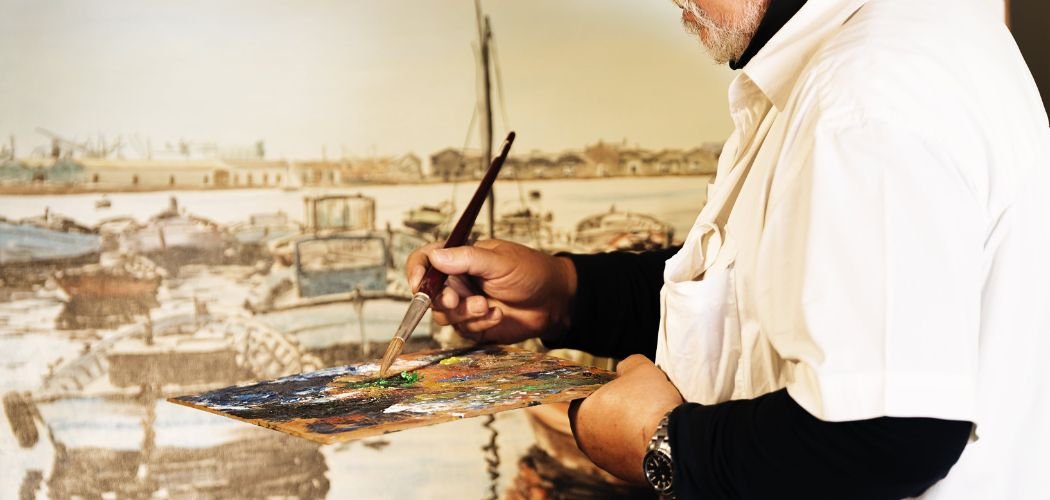
Workshops are a combination of theory and discussion as well as practical experience.
Why Choose Art Therapy with Philippe Jacquet & Associates
- Art therapy offers a non-verbal and expressive method to explore deep emotional issues and facilitate healing.
- The focus is not on artistic ability but on using creative expression to process emotions, trauma, and internal conflicts.
- Services and workshops are designed for children, adolescents, and adults, including those with developmental or cognitive challenges.
- Particularly helpful for clients who have experienced abuse, domestic violence, or other forms of psychological trauma.
- Used in the treatment of anxiety, depression, grief, eating disorders, addiction, and self-esteem issues.
- Philippe Jacquet offers structured art therapy workshops that blend theory, discussion, and practical experience.
- Art therapy is introduced as part of a broader treatment plan, complementing other therapeutic methods.
- Workshops can be customised in duration and focus, adapted to the needs of specific professional groups or organisations.
- Philippe Jacquet is a fully accredited member of the British Association of Art Therapists, ensuring high professional standards.
- Clients are supported without interpretation or judgment; the therapist facilitates, not dictates, the process.
- Art therapy activates the brain’s reward system, helps reduce cortisol, and promotes relaxation and mindfulness.
- For those unable to verbalize emotions, art becomes a powerful medium of expression and self-discovery.
- Research shows art therapy enhances emotion regulation, neuroplasticity, and cognitive processing.
- Services are available both in-person and online, ensuring flexible support for clients and professionals worldwide.
testimonials
“Working together over the past months has helped me process past trauma and start looking to the future with hope rather than fear.”
Tom
“I felt truly listened to for the first time; having a safe, non-judgmental space allowed me to open up about things I’d kept inside for years.”
John
“I was skeptical about therapy at first, but the sessions helped me gain perspective and make meaningful changes in my relationships.”
Rodrick
”Therapy has been life-changing; I’m better able to manage stress, communicate my needs, and take care of my mental health day to day.”
Laura
”Ur work has greatly improved my self-esteem, and I’m finally able to set healthy boundaries.”
Delphine
“For the first time I got real help for my bulimia”
Valerie
“2 years clean of drugs, Thanks Philippe”
Emma
“You changed my life, thank you so much”
Eric
“Thanks you for all the help during my divorce”
Malik
“Thank you for all your insights”
Robert

Art Therapy Workshops For Professionals
Art therapy is a highly specialised form therapy that provides the client and the therapist with an effective way to get a better understanding of deep, inner issues. It is an expressive form of therapy that is not about the art but about the power of tapping into the creative mind to process the inner world and make changes that improve the client’s life. The creative mind is where problem solving occurs, allowing clients to develop meaningful and positive strategies for developing coping mechanisms and skills to deal with the difficulties they are experiencing in their lives.
Art therapist has been used for a significant amount of time for the treatment of issues related to trauma in children, adolescents and adults. This could include abuse within a family, domestic violence between partners, or abuse by others within or outside of the family. However, art therapist is also highly applicable to clients who are experiencing bereavement, mental health issues, eating disorders, interpersonal relationship problems, self-esteem and self-image distortions and for those struggling with addiction and recovery. Art therapy may be particularly effective for clients with developmental or cognitive disorders or for those who have difficulty with speech and expression.
About Philippe Jacquet
Philippe Jacquet is a qualified and fully accredited Psychotherapist and Art Therapist who has extensive experience in working with clients of all ages. Mr. Jacquet provides Art Therapist workshops and training in both the United Kingdom as well as France. He is a member of the British Association of Art Therapists (BAAT) and has trained professionals in this specialised therapeutic technique in a variety of different settings and locations.
Providing an opportunity for the client to represent the trauma they have experienced through painting, drawing, sculpting or other forms of art opens the doors to expression that may be impossible through words in traditional types of psychotherapy and counselling. The therapist guides and encourages the client without imposing their own ideas, beliefs or expressive techniques, creating a positive, supportive and helpful environment for expression.
Workshop Design
Workshops provided by Philippe Jacquet & Associates are designed to provide participants with the techniques and theory that are required to use this therapeutic intervention and approach with clients of all ages. The workshops will be a combination of theory and discussion as well as practical experience in specific strategies.
Participants who complete the Art Therapist Workshop will have more than just the basic tools to use Art Therapist with their clients. They will understand the theory and the techniques used in the approach and understand how it can be used as part of a holistic treatment plan in both individual and group settings.
Workshops can be designed to address the specific needs of your group at your location. The duration of the workshop can also be customised to your needs and to suit your specific requirements for the training.
For more information on Art Therapy Workshops offered by Philippe Jacquet please contact the office. Mr. Jacquet is available to discuss training dates and requirements and to answer any questions you may have.
Posted by: Philippe Jacquet
Healing Through Art: Transform Your Emotions One Stroke at a Time
In a world where emotions often feel overwhelming, Art Therapy offers a powerful path toward healing. This unique form of therapy allows individuals to explore and express deep feelings through creative expression, rather than words. Whether it’s painting, drawing, sculpting, or collage-making, the act of creating art can unlock buried emotions, release tension, and foster self-awareness.
Art Therapist isn’t about being a great artist. It’s about using the process of art-making to understand your emotional landscape. Each stroke of color or shape becomes a reflection of inner thoughts and feelings ones that might be too complex or painful to verbalize. This creative outlet offers a safe space for anyone struggling with anxiety, depression, trauma, grief, or simply feeling emotionally stuck. Working with a trained art therapist, clients learn to connect their artwork to personal experiences. Over time, the process helps them gain clarity, release suppressed emotions, and build healthier coping mechanisms. It’s a journey of self-discovery where the canvas becomes a mirror of the soul.
More than a therapeutic method, Art Therapist becomes a ritual of emotional transformation. It empowers people to process pain, celebrate growth, and find meaning in their experiences. For many, it’s not just about healing it’s about reclaiming their voice and learning to see beauty in vulnerability. So, if you’re seeking a gentle yet powerful way to manage emotions, consider Art Therapy. One brushstroke at a time, you can turn pain into peace, and confusion into clarity.
5 Powerful Benefits of Art Therapy for Mental Wellness
Art Therapy is a powerful tool that blends creative expression with psychological support, helping individuals manage stress, anxiety, and emotional challenges. Here are five compelling benefits of art therapy for mental wellness:
1. Emotional Release : Many people struggle to express emotions through words. Art therapist provides a non-verbal outlet to explore deep feelings. Painting, drawing, or sculpting helps release anger, sadness, or fear in a safe environment, promoting emotional healing.
2. Reducing Stress and Anxiety : The process of creating art can calm the nervous system. Focusing on shapes, colors, or textures encourages mindfulness and redirects attention from intrusive thoughts. This makes art therapy especially effective for people experiencing chronic stress or anxiety disorders.
3. Boosting Self-Esteem : Completing an art piece builds confidence. Art therapist encourages self-expression without judgment, allowing individuals to appreciate their unique creativity. Over time, this increases self-worth and a sense of accomplishment.
4. Improving Communication : For those who find it hard to talk about trauma or inner struggles, art can become a bridge. Therapists help clients interpret their work, which often leads to meaningful conversations and emotional breakthroughs.
5. Enhancing Problem-Solving Skills : Art therapist fosters flexible thinking. When individuals experiment with different materials or ideas, they learn to tolerate uncertainty and explore new solutions skills that are vital for mental resilience. Whether used alone or with other therapies, Art Therapy offers a nurturing path toward emotional growth, clarity, and mental strength.
How Art Therapy Empowers You to Cope with Anxiety and Stress
Art therapy is a powerful tool that helps individuals manage anxiety and stress through creative expression. Unlike traditional talk therapy, art therapy encourages people to use drawing, painting, or sculpting as a way to communicate their emotions when words fall short. This approach creates a safe and non-judgmental space where you can explore your inner world.
When you’re anxious or stressed, your mind can feel overwhelmed, making it hard to process your thoughts. Engaging in art therapy slows down that mental noise. It grounds you in the present moment and offers relief by shifting your focus away from worries. The creative process taps into the brain’s reward system, releasing dopamine and creating a sense of calm. Through working with a licensed art therapist, you learn to understand what your art reveals about your emotional state. You begin to identify triggers, recognize patterns, and gain emotional insight all without needing to explain everything verbally. This makes art therapy especially valuable for those who struggle to articulate their feelings.
Over time, art therapy builds emotional resilience. It helps you reframe negative thoughts, gain control over your reactions, and develop healthier coping strategies. Whether you’re painting your stress, sculpting your fears, or simply doodling to relax, every mark you make becomes a step toward healing. In a world where stress and anxiety are common, art therapy offers a unique path to self-understanding and recovery. It’s not about being an artist, it’s about being honest with yourself in a creative way.
Real-Life Stories of Art Therapy in Action
Art therapy isn’t just a concept studied in classrooms it’s transforming lives every day. Across hospitals, schools, and community centers, real people are using creative expression to process trauma, manage anxiety, and rediscover hope. These stories show how powerful this approach can be.
Take Anna, a war refugee struggling with PTSD. Traditional talk therapy left her overwhelmed and silent. Through art therapy, she began drawing scenes from her childhood. Her therapist helped her explore these images, allowing her to express feelings she couldn’t put into words. Over time, Anna’s nightmares lessened, and her drawings became brighter, her inner world shifting with each session. In another case, 10-year-old Liam had trouble focusing at school due to ADHD. Art therapy provided him with a safe outlet. He learned to use colors and textures to express his emotions instead of acting out. After months of therapy, Liam’s teachers reported better classroom behavior and increased emotional awareness.
Elderly patients with dementia also benefit. At a memory care center in London, residents engage in weekly art therapy sessions. One participant, Margaret, who rarely spoke, painted a picture of her childhood home. The image triggered memories and stories that she shared with her caregivers, deepening their connection. These real-life experiences highlight how art therapy supports healing, communication, and emotional growth. It offers a creative path to recovery when words are not enough. For many, it’s not just therapy it’s a lifeline. Whether dealing with trauma, behavioral issues, or memory loss, art therapy makes healing visible one brushstroke at a time.
Art as Healing: Creative Exercises to Reduce Stress Today
In a fast-paced world full of daily pressure, Art Therapy offers a powerful and accessible way to reduce stress and restore emotional balance. Through creative expression, individuals can tap into their inner world, release tension, and feel more connected to themselves. You don’t need to be a professional artist to benefit just the act of creating is enough to promote healing.
One of the simplest exercises is free drawing. Grab a pen or pencil and let your hand move without judgment or direction. This stream-of-consciousness method allows emotions to surface naturally and can bring surprising clarity. Another calming technique is coloring mandalas. Their repetitive patterns help focus the mind and slow breathing, triggering a state of relaxation. Collage making is also widely used in Art Therapy. By cutting and pasting images from magazines that reflect your emotions, you engage with your subconscious while staying grounded in the present. Likewise, sculpting with clay helps release physical tension and channel anxious energy into tactile movement.
What makes Art Therapy so effective is its non-verbal nature. When words fail or feel overwhelming, colors, textures, and shapes offer a safe outlet for expression. You don’t need to analyze just trust the process. Incorporating these creative exercises into your routine, even just 15 minutes a day, can have a significant impact on mental well-being. Art becomes not just an activity, but a therapeutic ritual. Try it today, and let creativity become your quiet form of healing.
Unlock Your Healing Potential: An Introduction to Art Therapy
Art Therapy is a powerful tool that helps individuals explore emotions, manage stress, and heal from trauma using creative expression. Whether you consider yourself an artist or not, this therapeutic approach allows you to unlock hidden feelings and gain insight through painting, drawing, sculpting, or even collage-making. Unlike traditional talk therapy, Art Therapy offers a non-verbal outlet to process complex emotions, especially for those who struggle to express themselves with words. The foundation of Art Therapy lies in the belief that creative expression can improve mental health and well-being. Guided by a trained art therapist, clients are encouraged to create art as a way to reflect on their inner world. This safe, supportive environment fosters self-discovery, emotional release, and personal growth. From anxiety and depression to grief and PTSD, Art Therapy has proven effective across a wide range of emotional challenges.
Unlocking your healing potential with Art Therapy does not require artistic talent. What matters is the process, not the final product. Through creative sessions, many clients uncover suppressed emotions, discover patterns in their behavior, and develop healthier coping strategies. It’s also a great way to reduce stress, improve focus, and build self-esteem. If you’re looking for a gentle yet transformative approach to healing, Art Therapy may be the key. It invites you to reconnect with yourself through creativity and
The Science Behind Art Therapy: What Research Reveals
Art Therapy combines creativity and psychology to support mental and emotional healing. But beyond the brushes and colors lies a growing body of scientific evidence that explains how and why it works. Researchers have found that creating art can reduce cortisol levels, a key stress hormone. When people engage in drawing, painting, or sculpting, their brains activate regions associated with relaxation and reward.
Neuroscientific studies using MRI scans show that Art Therapy stimulates the medial prefrontal cortex, a region linked to self-reflection and emotion regulation. This means individuals can process trauma, anxiety, and depression more safely through non-verbal expression. For those who struggle to articulate feelings, art becomes a bridge between inner experience and outward communication. Research also suggests that Art Therapy promotes neuroplasticity the brain’s ability to reorganize itself by forming new neural connections. This can be particularly beneficial for people recovering from PTSD, stroke, or brain injuries. Group sessions further enhance benefits by creating a sense of community and shared understanding.
In children and adolescents, studies show improved emotional resilience, focus, and behavior when Art Therapy is integrated into their treatment. It is increasingly used in hospitals, schools, and rehabilitation centers as a complementary therapy. While more research is needed, current findings affirm that Art Therapy is far more than a creative outlet. It is a science-backed intervention that helps people heal, grow, and connect with themselves and others in powerful ways. As the field evolves, its role in modern mental health care continues to expand.
Art Therapy at Home: Simple Activities for Self-Care
Art therapy offers a powerful way to reduce stress, boost mental health, and reconnect with yourself. The best part? You don’t need to be an artist to enjoy the benefits. Practicing art therapy at home is both simple and effective perfect for anyone looking to add a creative twist to their self-care routine. Start with mandala coloring. This relaxing activity helps calm the mind through repetition and symmetry. Download free mandala templates online or create your own using shapes and patterns. Focus on colors that reflect your current mood you’ll be surprised how your emotions reveal themselves on paper.
Journaling with art is another helpful practice. Instead of just writing your thoughts, express them through drawings, symbols, or colors. Use watercolors or colored pencils to bring your emotions to life. This form of art therapy allows for non-verbal expression, especially when words feel limiting. Try collage making with old magazines, newspapers, or fabric scraps. Choose images and words that resonate with you. Assembling your collage can give insight into your desires, fears, and inspirations.
If you’re feeling overwhelmed, create an “emotion wheel” by dividing a circle into sections and assigning each part a feeling and color. Fill in each section based on how you feel that day. Over time, you’ll track your emotional journey visually. With just a few supplies and a little time, art therapy at home can become a soothing, empowering habit. Explore, create, and let your inner self speak.
Creative Healing: How Art Therapy Supports Trauma Recovery
Art therapy offers a powerful path to healing for individuals recovering from trauma. Unlike traditional talk therapy, it uses creative expression through drawing, painting, or sculpture as a way to access and process painful emotions. This non-verbal approach helps people explore their inner world when words alone feel too overwhelming. One key benefit of art therapy in trauma recovery is the sense of safety it provides. Survivors can express complex memories and emotions symbolically, at their own pace. The art itself becomes a container for pain, allowing individuals to externalize their trauma in a tangible, manageable form. This act of creation helps reduce anxiety, improve emotional regulation, and build resilience. Another advantage of art therapy is its ability to reconnect trauma survivors with their sense of identity and agency. Trauma often disrupts the nervous system and distorts self-perception. Through art-making, clients begin to reclaim control, find meaning in their experiences, and restore a sense of wholeness.
Importantly, art therapy is not about artistic skill. It’s about expression, connection, and healing. Trained art therapists guide clients through personalized activities that foster insight, self-compassion, and empowerment. Whether used alongside other therapies or as a stand-alone treatment, art therapy offers a gentle yet transformative experience. In trauma recovery, where words can fail, creativity speaks. Art therapy opens a unique space for emotional release, growth, and renewal making it an essential tool for those on a journey toward healing.
Brush Away Your Worries: A Beginner’s Guide to Art Therapy
If stress and anxiety are clouding your mind, art therapy may be the creative outlet you need. This powerful healing technique combines artistic expression with therapeutic guidance to help you process emotions, reduce anxiety, and gain clarity.
You don’t need to be an artist to benefit from art therapy. It’s about expressing rather than impressing. Whether you’re painting abstract shapes, sketching your feelings, or playing with clay, the goal is to let your inner world speak without words. The process alone helps calm the nervous system, encourage mindfulness, and build self-awareness.
In a typical session, an art therapist may guide you through specific exercises like drawing your current mood, creating a vision board, or exploring color symbolism. These activities allow you to explore thoughts and feelings you might struggle to express verbally. Over time, art therapy can reveal patterns, unblock emotional barriers, and support healing from trauma, depression, or everyday stress.
For beginners, start simply. Grab paper, pencils, or paints and let your hands move freely. Focus on the process, not the result. You might be surprised how therapeutic it feels to just create without judgment. Whether done with a licensed professional or as a self-care practice at home, art therapy offers a safe space to reflect, heal, and grow. So, take a deep breath, pick up a brush, and start your journey toward emotional balance. Let your creativity do the talking and watch your worries fade with every stroke.
FAQ
What is art therapy and how does it work ?
Professional art therapy is a form of psychotherapy that uses creative expression to support emotional healing and personal growth. It combines traditional therapeutic techniques with artistic activities such as drawing, painting, sculpting, and collage.
The goal of art therapy services is not to create perfect artwork but to use creativity as a tool for self-expression and emotional exploration. Through the creative process, individuals can process trauma, reduce stress, and develop greater self-awareness.
During a session, a trained therapist guides the client through the creative process and helps explore the meaning behind the artwork in a supportive and safe environment. Art can bypass the analytical parts of the brain and access deeper emotional experiences, making it particularly effective for people who struggle to express feelings verbally.
Art therapy is widely used in hospitals, mental health clinics, schools, and private practices. Today, online art therapy and virtual art therapy sessions are also available, allowing people to experience healing through art therapy from the comfort of their homes.
Who can benefit from art therapy ?
Art therapy is a powerful form of emotional expression that benefits people of all ages and backgrounds. Through creative techniques like drawing, painting, and sculpting, individuals can explore emotions and improve mental well-being.
Children often benefit greatly because they may find it difficult to express emotions verbally. Through colors and shapes, they can communicate feelings of anxiety, trauma, or confusion in a safe environment.
Teenagers experiencing identity struggles, academic pressure, or social anxiety can also benefit from expressive arts therapy. Creative activities allow teens to explore their emotions without fear of judgment.
Adults facing stress, depression, grief, or life transitions such as divorce or job loss often use art therapy services as a healthy emotional outlet. Seniors may also benefit, particularly those coping with memory loss or isolation.
People experiencing PTSD, eating disorders, or chronic illness can find relief through using art to heal trauma. Whether through art therapy workshops, individual therapy, or virtual art therapy, creative expression can help foster emotional growth and resilience.
Do I need to be good at art to participate in art therapy ?
No artistic skills are required to participate in professional art therapy.
Art therapy focuses on the creative process rather than the final result. Participants are encouraged to express their emotions using colors, shapes, textures, or symbols. Even simple drawings or abstract scribbles can reveal meaningful emotional insights.
During art therapy in action, the therapist guides you through creative activities and helps explore the meaning behind your artwork. The purpose is not to judge artistic ability but to help individuals better understand their thoughts and feelings.
Even if you have not created art since childhood, you can still benefit from art therapy at home, online art therapy, or in-person sessions. All that’s required is a willingness to explore and express yourself creatively.
What types of issues can art therapy help with ?
Art therapy is widely used to support individuals dealing with various emotional, psychological, and physical challenges.
It can help people manage:
Anxiety and stress
Depression and mood disorders
Trauma and PTSD
Grief and loss
Behavioral challenges in children
Autism and ADHD
Chronic illness or pain
Major life transitions
Through healing through art therapy, individuals can process difficult emotions and gain insight into their experiences. For trauma survivors, using art to heal trauma allows memories and emotions to be expressed safely without relying entirely on words.
Art therapy programs, including art therapy workshops and virtual art therapy sessions, provide accessible ways for individuals to explore emotional healing through creative expression.
How is art therapy different from traditional talk therapy ?
Traditional talk therapy relies primarily on verbal communication between the therapist and the client. Art therapy, however, uses creative expression as the primary form of communication.
In expressive arts therapy, clients communicate through drawing, painting, sculpting, or other visual forms rather than only through conversation. This makes art therapy especially helpful for people who struggle to articulate their feelings.
Creative expression engages multiple parts of the brain, encouraging emotional release while also promoting reflection and insight. Because of this, art therapy services can complement traditional psychotherapy or serve as an alternative therapeutic approach.
Many therapists now offer online art therapy and virtual art therapy, making it easier for individuals to access creative healing regardless of location.
Is art therapy evidence-based or supported by research ?
Yes. Art therapy is increasingly supported by scientific research and clinical studies.
Research has shown that professional art therapy can reduce symptoms of anxiety, depression, and PTSD. Studies published in journals such as The Arts in Psychotherapy have found that engaging in creative expression improves emotional resilience and psychological well-being.
Neurological studies also demonstrate that art-making activates brain regions involved in emotional regulation, memory, and sensory integration.
Today, many hospitals, rehabilitation centers, schools, and counseling clinics incorporate art therapy services, expressive arts therapy, and art therapy workshops into treatment programs because of their positive mental health outcomes.
What can I expect during an art therapy session ?
A typical art therapy session usually begins with a brief conversation between you and the therapist to discuss your current feelings or goals.
You may then be invited to participate in creative activities such as:
Drawing
Painting
Sculpting
Collage making
Mixed-media art
These activities represent art therapy in action, where the creative process becomes a tool for emotional exploration.
After completing the artwork, you and your therapist may discuss the images, symbols, or emotions that emerged during the process. This reflection helps uncover deeper insights and emotional patterns.
Sessions can be conducted in person or through virtual art therapy, allowing individuals to participate in art therapy online or even practice art therapy at home with professional guidance.
What can I expect during an art therapy session ?
If you’re considering art therapy, you might wonder what actually happens during a session. Unlike a traditional talk therapy session, art therapy combines creative expression with psychological exploration. You don’t need any artistic skills—what matters is the process, not the final product.
In your first session, your art therapist will usually begin with a conversation. They’ll ask about your goals, emotional needs, and what brings you to therapy. This helps create a safe space for self-expression. Once the session starts, you may be invited to draw, paint, sculpt, or even collage using a variety of materials. The therapist may give you a theme or let you choose your own direction.
While you’re creating, your therapist will observe and support you without judgment. The goal is not to analyze your art like a puzzle, but to help you reflect on what your choices and emotions reveal. After the creative process, you’ll have time to talk about what you made, how it felt, and any memories or thoughts that surfaced. Art therapy can help with anxiety, trauma, depression, grief, and self-esteem issues. Sessions are tailored to your pace some people talk a lot, others let the artwork speak for them. Over time, you may notice more clarity, emotional release, or simply a deeper connection to yourself. Whether you’re navigating a tough period or just seeking personal growth, art therapy offers a unique path to healing and insight through creativity.
Can art therapy be used alongside other treatments ?
Yes. Art therapy is often used as a complementary treatment alongside other therapeutic approaches.
Many mental health professionals combine art therapy services with treatments such as:
Cognitive Behavioral Therapy (CBT)
Traditional psychotherapy
Medication management
Trauma-focused therapy
Rehabilitation programs
For example, individuals receiving psychotherapy may use art therapy in action to explore emotions that are difficult to express verbally. In medical settings, healing through art therapy can help patients manage stress while undergoing physical treatments.
Because of its flexibility, expressive arts therapy integrates well into holistic treatment plans and supports overall emotional well-being.
How long does it take to see results with art therapy ?
The timeline for results varies from person to person. Some individuals experience emotional relief after just a few sessions, while others benefit from ongoing therapy over several months.
The effectiveness of professional art therapy depends on factors such as:
The issues being addressed
Frequency of sessions
The therapeutic relationship
Personal engagement in the creative process
Progress may appear in subtle ways, such as improved mood, greater self-awareness, better emotional regulation, or reduced stress.
Consistent participation in online art therapy, virtual art therapy, or art therapy workshops can gradually lead to meaningful and lasting emotional growth.
Is art therapy covered by insurance or health plans ?
Insurance coverage for art therapy varies depending on the country, provider, and specific health plan.
In some regions, professional art therapy services are covered when provided by a licensed mental health professional. For example, therapists with credentials such as ATR-BC (Registered, Board Certified Art Therapist) may offer services eligible for reimbursement under behavioral health benefits.
However, some insurance providers classify art therapy as an alternative treatment and may not fully cover it. In these cases, clients may still access affordable options such as online art therapy, virtual art therapy, or community-based art therapy workshops.
Before beginning therapy, it is recommended to check with your insurance provider and ask your therapist whether they provide documentation for reimbursement.